Matchless Atlas™ integrates neuroscience and neuroaesthetics to create NeuroResonant Art™
Visual structure influences the nervous system continuously. Pattern, color, proportion, and imagery shape perception long before conscious thought occurs. Matchless Atlas™ explores how resonant artwork can help create environments that support clarity, emotional regulation, and overall well-being.
Your environment shapes your state of being. The human nervous system evolved within environments rich in natural geometry — branching trees, flowing water, layered landscapes, and fractal patterns. These natural structures are processed efficiently by the brain, promoting visual coherence and energy balance.
Modern spaces, however, often lack this natural coherence. Visual noise, conflicting signals, and poorly scaled imagery require the nervous system to work harder to maintain equilibrium. When visual environments are aligned with biological processing, the body settles. Attention stabilizes, and the atmosphere of the space becomes supportive rather than draining. Matchless Atlas™ explores how Resonant Art can help restore this vital harmony and bring a sense of balance and well-being to any space.
ART FOR NERVOUS SYSTEM REGULATION
HOW NEURORESONANT™ ART WORKS
TOOLS Make Them Practical.
Matchless Atlas™ translates these principles into applied forms, offering structured ways to integrate visual resonance into everyday environments.
Display Art functions as a central visual anchor within a space, shaping atmosphere through a single, dominant composition.
Frequency Anchors are smaller-scale works designed for personal spaces such as desks or workstations.
A Space Analysis evaluates the visual spatial characteristics of an environment to identify artworks that best align with its function and layout.
An Individual Frequency Analysis determines which NeuroResonant Art™ may best support an individual’s sense of balance, clarity, and focus.
aping visual environments with intention and coherence.
THE ART
THE TOOLS
THE SCIENCE
SCIENCE Explains the Principles.
The brain continuously interprets visual signals from pattern, color, light, and spatial structure, shaping activity across regulatory systems such as attention, emotion, respiration, and cognition. Fields including Neuroscience and Neuroaesthetics explore how visual input influences perception and internal states. Research in environmental psychology further shows that certain visual structures—particularly those reflecting natural order, symmetry, and fractal organization—are processed more efficiently by the human nervous system, often associated with reduced cognitive strain and improved perceptual coherence.
ART Expresses Them.
Art translates these underlying principles into form. Through intentional use of pattern, color relationships, rhythm, and symbolic structure, visual work can shape the felt experience of a space. When integrated into an environment, a single piece can act as an anchor for visual attention — organizing perception and influencing the overall atmosphere of a room.
NeuroResonant Art™ applies these principles through compositions inspired by natural systems and perceptual science. Within this framework, Matchless Atlas™ creates works intended to support coherence in the visual field and encourage states associated with calm attention, emotional balance, and presence.
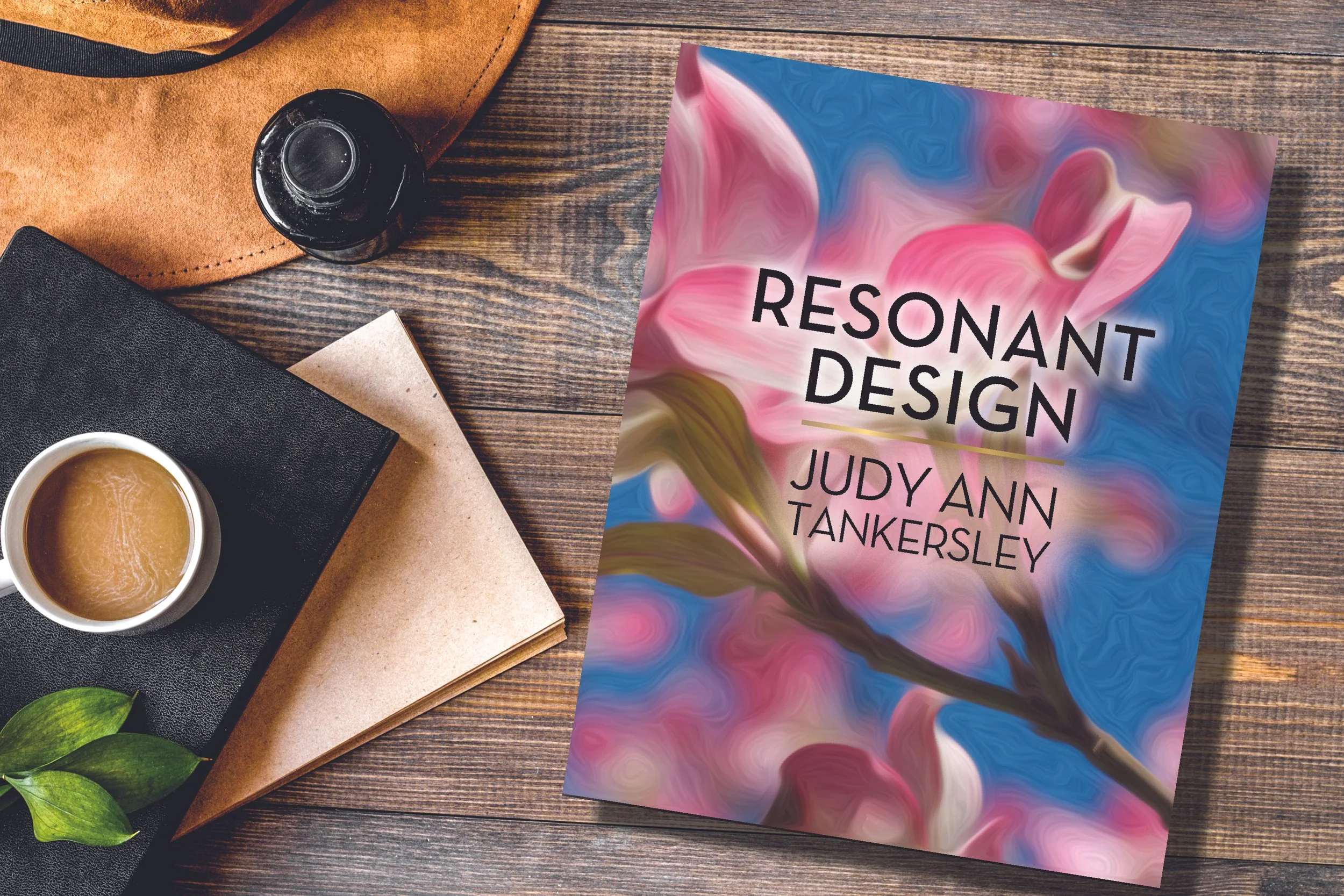
THE BOOK:
RESONANT DESIGN
This book introduces a guided way to engage with art through a twelve-minute resonance cycle.
The process follows the rhythms of nature — winter, spring, summer, and autumn — moving gradually from regulation to integration, expansion, and harmony.
Through intentional observation and reflection, readers learn how visual environments influence perception and emotional state.
The book can be used individually, shared as a gift, or placed in workplaces and healthcare environments as a quiet invitation to pause, observe, and recalibrate.

JUDY TANK, ND
Founder of Matchless Atlas™ and creator of NeuroResonant Art™, Judy Tank, ND, explores the powerful connection between visual environments, art, and the human nervous system. Drawing from principles of biology, design, and the natural structure of the world, she delves into how art and environments can nurture and elevate the human experience.
Through her writing, artwork, and environmental design expertise, Judy empowers individuals and organizations to create spaces that promote clarity, balance, and well-being. Her work is centered around the belief that when our surroundings resonate with our natural rhythms, they support mental, emotional, and physical harmony.
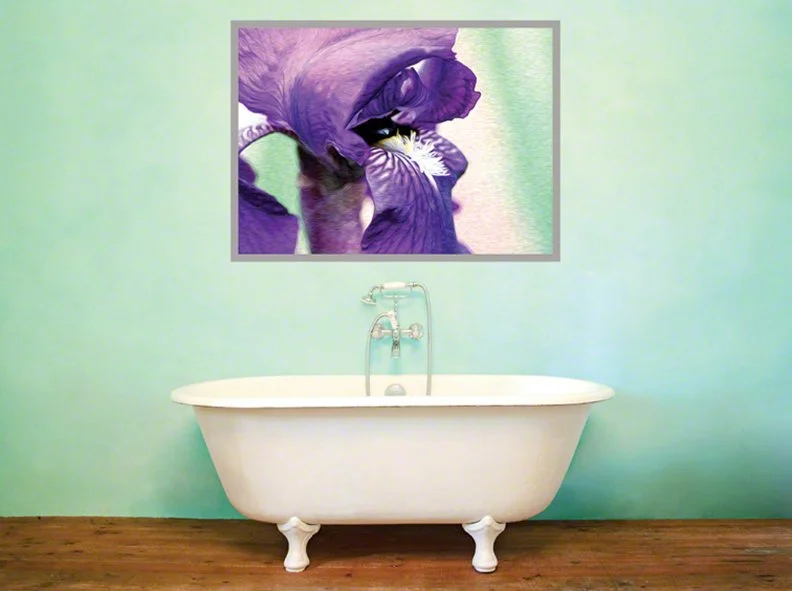
Featuring: ART BATHING 美術浴
Inspired by Shinrin-yoku, Matchless Atlas Resonant Art Baths offer an immersive physiological and psychological experience rooted in Ecotherapy. Each session presents a curated sequence of Resonant Art, seamlessly paired with calming nature sounds to create a restorative, multisensory environment.
Drawing from Bijutsu Yoku (美術浴), or “art bathing,” this practice emphasizes slow, intentional engagement with nature-based visuals. Rather than actively analyzing what you see, you are invited to soften your gaze, quiet the mind, and allow your body to respond naturally to color, form, and pattern. This shift into a receptive state supports presence, reflection, and a deeper sense of internal connection.
Designed with precision, each Resonant Art Bath operates at 1200 Hz and unfolds over 12 minutes—timed to encourage alpha brainwave activity associated with relaxation, mental clarity, and emotional balance. With consistent practice, these sessions can help regulate the nervous system, enhance focus, and support a more coherent, grounded state of well-being. ACCESS ART BATHS